Pregnancy does something to you. One day you are squinting at the back of your shampoo bottle at 6am trying to work out if phenoxyethanol is safe. You are checking the ingredients in your cleaning spray. You are side-eyeing the plastic container your lunch came in. Welcome to pregnant brain meeting mama bear instinct. It is a lot.
The good news is you do not have to change everything overnight. These 10 swaps are simple, affordable, and genuinely make a difference — for you, your baby, and the planet. One at a time.
"You don't have to be perfect — you just have to start. Every swap is a step toward a healthier home for your baby."
Why swapping matters during pregnancy
Your baby has no system to filter out toxins yet. The placenta does an incredible job but it is not impenetrable. Many common synthetic chemicals in household and personal care products can cross it. This sounds scary but the solution is not to panic and throw out everything in your house. It is to make the highest-impact swaps in the areas that matter most. Which is exactly what this list does.
In the bathroom
1. Swap your body wash for a natural alternative
Most conventional body washes are full of synthetic fragrance, parabens, sulphates, and phthalates. Your skin absorbs substances more easily during pregnancy due to increased blood flow to the surface. Switch to an organic castile soap or a fragrance-free natural wash. Dr Bronner's, Weleda, and Earth Mama are all gentle, effective, and widely available. Look for EWG verified or COSMOS Organic certified products if you want reassurance about what is in it.
2. Replace your deodorant
Conventional deodorants often contain aluminium compounds which block sweat glands. Some studies suggest minimising these during pregnancy is worth doing. Natural deodorants with magnesium hydroxide or baking soda work well for most people — but give yourself two to four weeks to adjust when switching. There is sometimes a transition period and it can feel like it is not working at first. Stick with it. If baking soda irritates your skin, look for a baking soda-free formula instead. Native and Schmidt's are both good options.
Natural Deodorant
A natural deodorant free from aluminium, parabens and synthetic fragrance. Gentle on sensitive pregnancy skin with effective all-day protection.
View on Amazon → As an Amazon Associate we earn from qualifying purchases at no extra cost to you.3. Switch to a mineral sunscreen
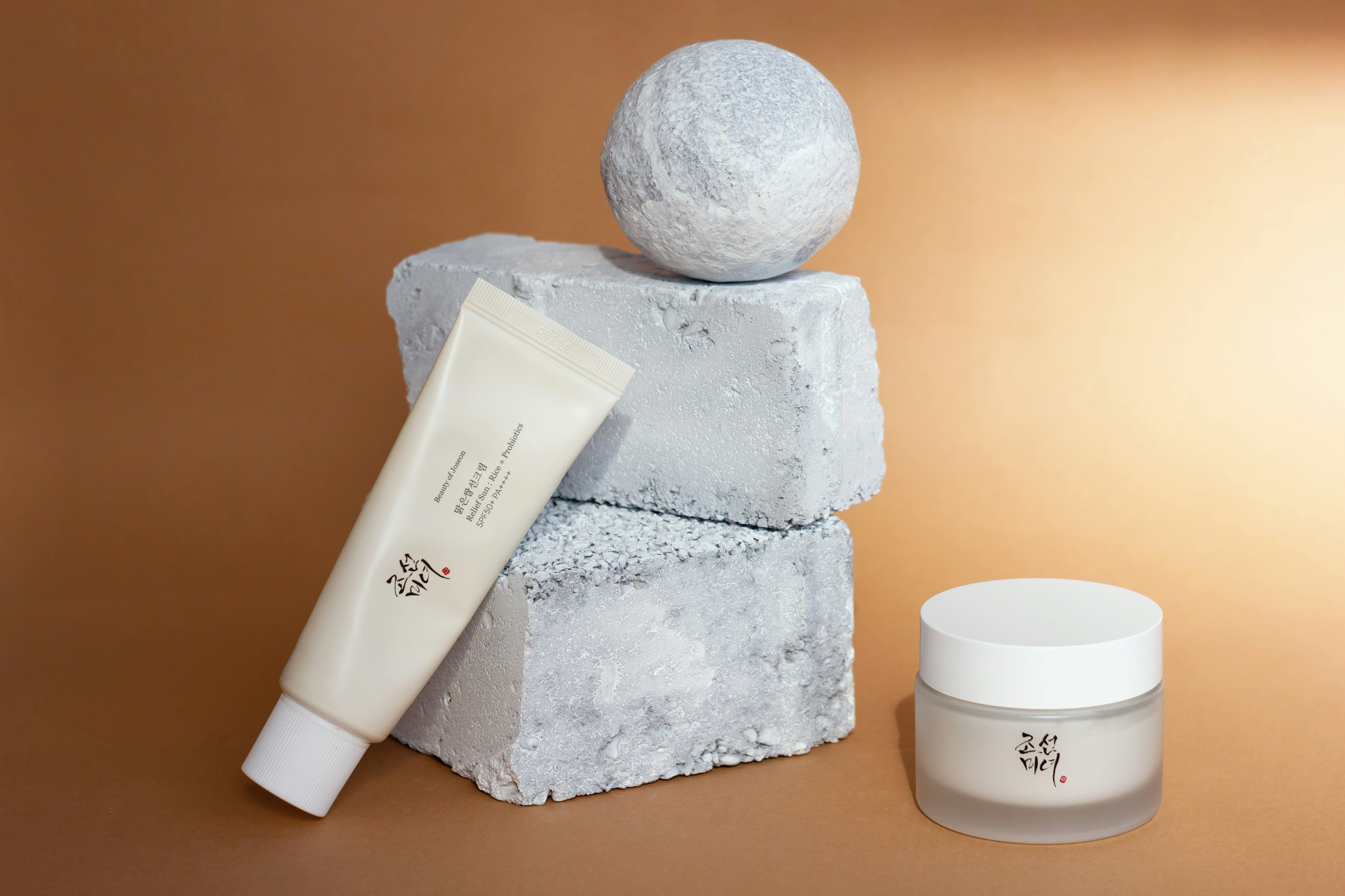
Chemical sunscreens get absorbed through your skin and some have been found in blood and breast milk. Switch to a mineral sunscreen with zinc oxide or titanium dioxide. These sit on the surface of your skin rather than being absorbed into it. Mineral sunscreen formulas have improved enormously in recent years and there are plenty that go on without leaving a white cast. Worth the swap.
Mineral Sunscreen SPF 50
Zinc oxide mineral sunscreen — sits on top of skin rather than absorbing. Safe for pregnancy, reef-friendly, and highly effective.
View on Amazon → As an Amazon Associate we earn from qualifying purchases at no extra cost to you.In the kitchen
4. Ditch plastic food containers
Even BPA-free plastics can leach chemicals — particularly when heated, scratched, or used with acidic foods. The replacements for BPA (such as BPS and BPF) are increasingly being found to have similar hormonal disruption effects. Replace plastic containers with glass, stainless steel, or ceramic alternatives. This is especially important for food that goes in the microwave, dishwasher, or contains tomatoes, citrus, or other acidic ingredients.
You don't need to replace everything at once. Start with the containers you use most frequently — particularly those that get heated. A set of glass meal prep containers costs around $20-$30 and will last for years.
Glass Food Storage Containers
BPA-free glass containers for safe food storage. No chemical leaching, dishwasher safe, oven safe, and beautiful enough to go straight from fridge to table.
View on Amazon → As an Amazon Associate we earn from qualifying purchases at no extra cost to you.5. Filter your drinking water
Tap water in many areas contains chlorine, chloramines, fluoride, heavy metals such as lead and arsenic, and trace pharmaceuticals. During pregnancy, when you're drinking significantly more water than usual, the cumulative exposure to these contaminants increases. A simple carbon filter jug or under-sink filter removes the majority of these contaminants effectively and affordably.
Carry your filtered water in a glass or stainless steel bottle to avoid plastic leaching. Avoid drinking from old copper pipes where possible, as lead from older plumbing can leach into water, particularly in older homes.
Water Filter Pitcher
Removes chlorine, heavy metals, and contaminants from tap water. Affordable, effective, and much better for you and your baby than unfiltered tap water.
View on Amazon → As an Amazon Associate we earn from qualifying purchases at no extra cost to you.6. Buy the Dirty Dozen organic
You don't need to buy everything organic — focus your budget on the EWG's Dirty Dozen: the 12 most pesticide-contaminated fruits and vegetables. These typically include strawberries, spinach, kale, peaches, pears, apples, grapes, cherries, hot peppers, blueberries, green beans, and potatoes. Switching just these 12 to organic reduces your pesticide exposure by up to 80%.
The Clean Fifteen — the 15 least contaminated produce items — can safely be purchased conventional. These typically include avocados, sweet corn, pineapple, onions, papaya, frozen peas, asparagus, honeydew melon, kiwi, cabbage, mushrooms, mangoes, sweet potatoes, watermelon, and carrots.
In the laundry room
7. Switch to fragrance-free laundry detergent
Synthetic fragrance is one of the most common hidden allergens in home products, and the term "fragrance" on a label can legally conceal hundreds of undisclosed chemicals. Switch to a fragrance-free, plant-based laundry detergent for all baby clothes and bedding. Brands like Ecover, Method, and Seventh Generation offer effective, eco-friendly options at accessible price points.
8. Stop using dryer sheets
Conventional dryer sheets coat fabrics with a layer of synthetic chemicals — including quaternary ammonium compounds linked to asthma and hormone disruption — that remain on the fabric and against your skin all day. Replace them with wool dryer balls. They naturally soften clothes, reduce drying time by up to 25%, eliminate static electricity, and last for years. Add a few drops of a safe essential oil like lavender if you want a gentle natural scent.
Wool Dryer Balls
Natural wool dryer balls replace dryer sheets completely — soften clothes, reduce drying time by 25%, eliminate static, and last for years. Add a drop of lavender for a gentle natural scent.
View on Amazon → As an Amazon Associate we earn from qualifying purchases at no extra cost to you.In the nursery
9. Choose a low-VOC paint
Volatile organic compounds (VOCs) in conventional paint off-gas into the air for months — sometimes years — after application. These airborne chemicals include benzene, toluene, and formaldehyde, which are particularly harmful to developing lungs and nervous systems. When painting your nursery, always choose a zero-VOC or low-VOC paint. Paint the room at least 8-12 weeks before your due date with windows open for maximum ventilation.
10. Invest in an organic cot mattress
Your baby will spend more time on their cot mattress than anywhere else in the world during their first years of life — up to 18 hours per day in the newborn period. Conventional mattresses are commonly made with polyurethane foam (derived from petrochemicals), brominated or phosphorus-based fire retardants, and waterproofing chemicals. Their face will be pressed against this surface for years.
Choose a mattress made from natural latex, organic wool, or organic cotton. Natural wool is inherently fire-resistant, eliminating the need for chemical fire retardants. Look for GOTS (Global Organic Textile Standard) or OEKO-TEX certification. This is the one nursery purchase where it's absolutely worth investing in quality.
Making gradual changes
The goal is not perfection — it's progress. You don't need to replace everything overnight, and doing so would be both expensive and unnecessary. A practical approach is to swap products as they run out, starting with the items you use most frequently or that have the most direct contact with your body.
Keep a simple list on your phone of what to replace next. Over the course of a few months, your home will have transformed significantly — without the overwhelm or expense of doing it all at once. Every swap you make is a meaningful step toward a healthier environment for your growing family.
Get your free personalized plan
Week-by-week pregnancy guide with eco product recommendations — completely free, no sign-up required.
Create my free plan →