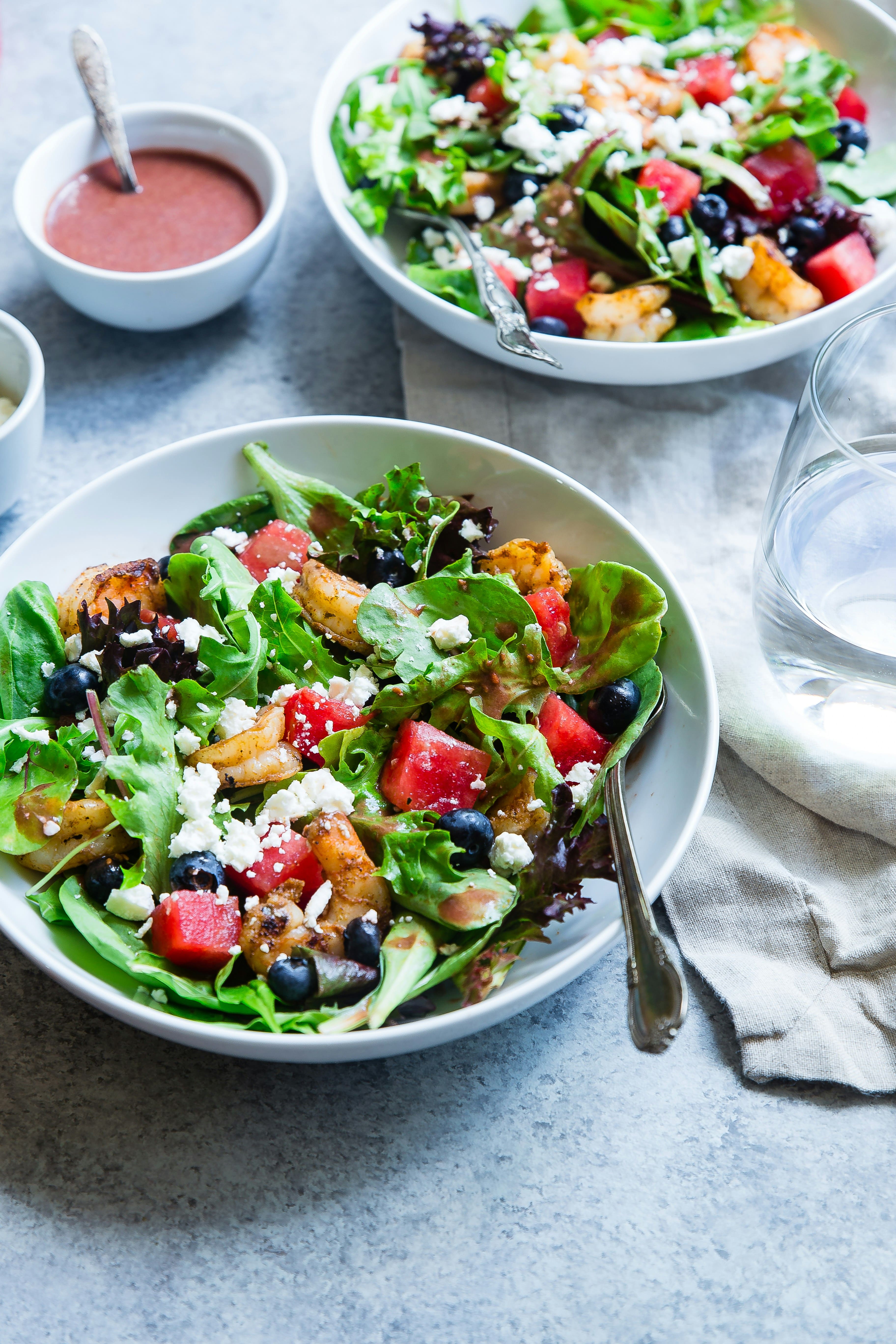
Here is the thing about eating during pregnancy. You want to do it perfectly. Every meal a nutritional masterpiece. Plenty of leafy greens and omega-3s and organic this and that. And then the first trimester hits and you are surviving on crackers and the specific brand of plain rice that does not make you gag.
This is completely normal. And this guide will meet you where you actually are. Trimester by trimester, here is what your body genuinely needs, how to get it in ways that are realistic, and where organic choices make the most difference. No perfection required.
"Food is the most powerful medicine available to a pregnant woman — and the most pleasurable way to nourish your growing baby."
Why organic matters during pregnancy
You do not need to buy everything organic — that would be expensive and exhausting. Focus your budget on the EWG Dirty Dozen: the produce items most heavily contaminated with pesticide residues. Strawberries, spinach, peppers, apples, and grapes consistently top the list. The Clean Fifteen — avocados, sweet corn, pineapple, onions — are consistently low in residues and fine to buy conventional. That one change reduces your pesticide exposure significantly without costing a fortune.
First Trimester: Building the Foundation
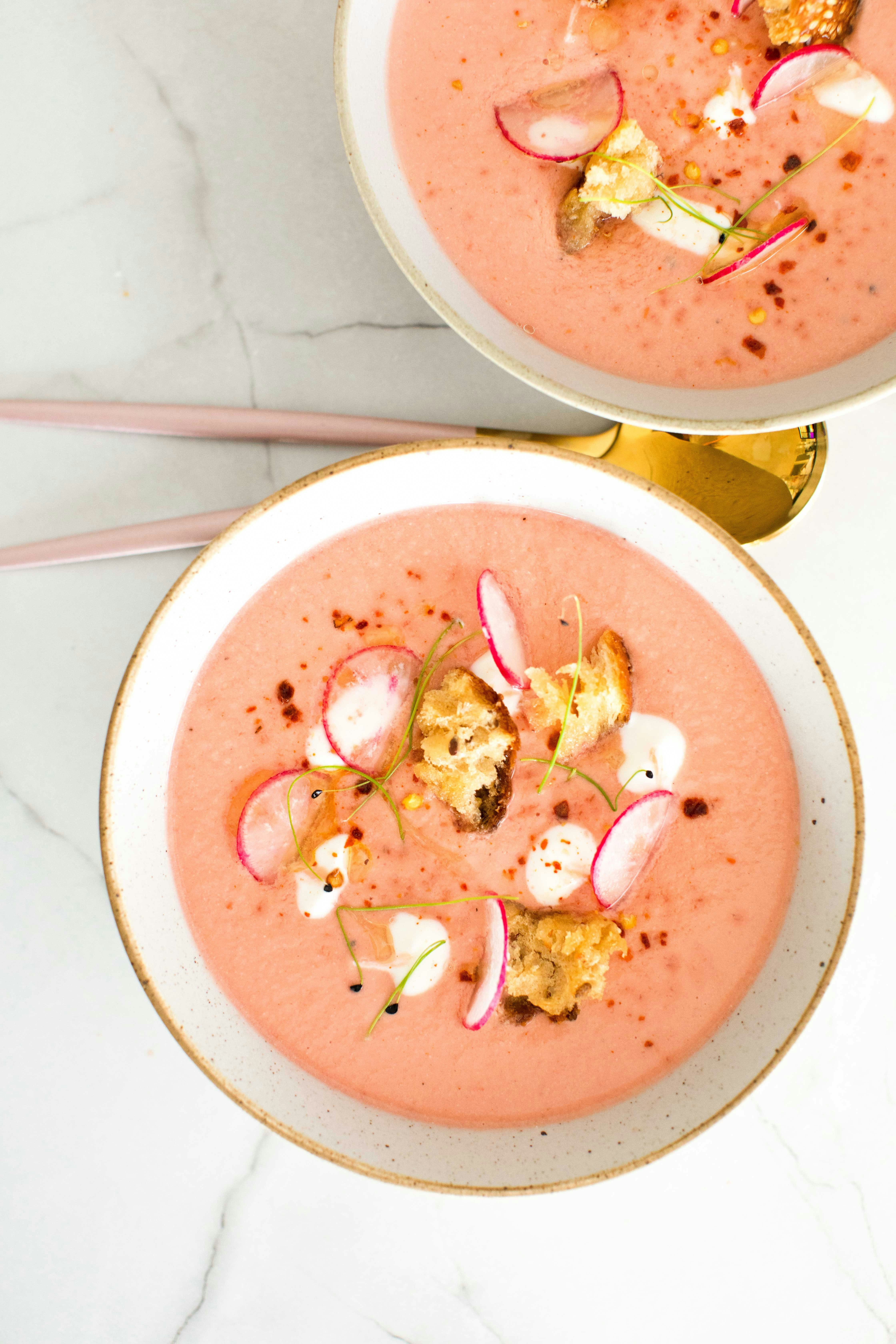
The first 12 weeks are when everything is being built — your baby's neural tube, heart, kidneys, all the major organ systems. Nutritionally this is the most critical window. It is also the window when many mamas feel the worst and eating well feels impossible. Eat what you can tolerate. Take your prenatal vitamin. That is genuinely enough for right now.
Folate — the most critical nutrient of the first trimester
Folate is the most critical nutrient of the first trimester. It supports the formation of your baby's neural tube — the structure that becomes their brain and spinal cord — which closes in the first 28 days, often before you even know you are pregnant. If you are not already taking a prenatal with folate, start today.
Look for methylfolate rather than regular folic acid on the label. Methylfolate is the form your body can actually use directly. Up to 40% of people have a genetic variation that makes it harder to convert folic acid, so methylfolate is the better choice for most people. Food sources of folate include spinach, kale, lentils, chickpeas, avocado, and citrus fruits.
Prenatal Vitamins with Methylfolate
A quality prenatal vitamin with methylfolate (the active form of folate), iron, DHA, iodine and vitamin D. Methylfolate is better absorbed than synthetic folic acid for most women.
View on Amazon → As an Amazon Associate we earn from qualifying purchases at no extra cost to you.Iron — supporting your expanding blood volume
Your blood volume increases by about 50% during pregnancy. That requires a lot more iron. Iron deficiency is the most common nutritional deficiency in pregnancy and it is the main reason you might feel even more exhausted than expected. Animal sources of iron are absorbed most efficiently. If you are plant-based, eat iron-rich foods alongside vitamin C to boost absorption significantly — lentil soup with lemon, spinach salad with orange, beans on wholegrain toast. Get your iron levels checked at your antenatal appointments.
Ginger for nausea
Ginger is the most evidence-supported natural remedy for pregnancy nausea. It's available in multiple forms — fresh ginger tea, crystallised ginger, ginger biscuits, ginger capsules — allowing you to find a form that works for you. Other evidence-supported nausea strategies include: eating small frequent meals (an empty stomach worsens nausea), having plain crackers beside the bed to eat before getting up, avoiding strong smells, and acupressure wristbands.
Second Trimester: Growth and Energy
By the second trimester, most nausea has eased and appetite typically returns — sometimes enthusiastically. This is the time to build a robust, varied, nutrient-dense diet that supports your baby's rapid growth and your own expanding uterus, breasts, and blood volume.
Protein — building your baby
Your baby is building muscle, organ tissue, and the structural proteins of every cell in their body at a rapid pace during the second trimester. Protein requirements increase to 70-100g daily during pregnancy. Aim to include a quality protein source at every meal: organic eggs, legumes (lentils, chickpeas, black beans), organic meat and poultry, wild-caught fish, nuts, seeds, organic dairy, or tofu and tempeh for plant-based eaters.
Calcium and magnesium — for bones and beyond
Your baby's skeleton is mineralising rapidly during the second trimester. If your diet doesn't provide adequate calcium, your body will draw it from your own bones to meet your baby's needs. Organic dairy products, fortified plant milks, tahini, almonds, sardines with bones, and leafy greens are excellent calcium sources.
Magnesium is equally important — it works synergistically with calcium for bone formation, supports your nervous system, reduces leg cramps (a common second-trimester complaint), and improves sleep quality. Food sources include dark chocolate (rejoice!), pumpkin seeds, almonds, spinach, black beans, and avocado.
DHA — for your baby's brain
Docosahexaenoic acid (DHA), an omega-3 fatty acid, is essential for your baby's brain and retinal development — and requirements are highest in the second and third trimesters when brain growth is most rapid. The safest source for pregnant women is algae-based DHA, which is what fish accumulate DHA from in the first place. Algae-based supplements contain no mercury or other heavy metals and are suitable for both omnivores and vegetarians.
Algae-Based DHA Supplement
Algae-based DHA is the safest omega-3 source during pregnancy — no mercury, no fish smell, and suitable for vegetarians. Supports baby's brain and retinal development throughout pregnancy.
View on Amazon → As an Amazon Associate we earn from qualifying purchases at no extra cost to you.Third Trimester: Preparing for Birth
In the final trimester, your baby is putting on weight rapidly — approximately 200g per week in the final weeks before birth. Your digestive system is compressed by your growing uterus, which often means smaller, more frequent meals are more comfortable and effective than three large ones.
Dates — the evidence-based birth preparation food
Multiple randomised controlled trials have found that eating 6 dates per day from 36 weeks of pregnancy is associated with: higher cervical dilation on admission to hospital, reduced need for labour induction, shorter first stage of labour, and reduced need for oxytocin augmentation. The mechanism is thought to involve compounds in dates that have an oxytocin-like effect on uterine receptors. This is one of the most compelling evidence-based nutrition interventions available to pregnant women in the final month.
Medjool Dates
Premium Medjool dates — naturally sweet, rich in fibre and minerals, and backed by multiple studies showing benefits for labour preparation from week 36. A delicious daily pregnancy ritual.
View on Amazon → As an Amazon Associate we earn from qualifying purchases at no extra cost to you.Vitamin K2 — for bone health
Vitamin K2 supports your baby's bone mineralisation and blood clotting factors. It's found in fermented foods (natto, aged hard cheeses, sauerkraut), grass-fed butter and cheese, and egg yolks from pasture-raised hens. Many prenatal vitamins don't include K2, so dietary sources are important.
Hydration — more important than ever
Dehydration in late pregnancy increases the risk of Braxton Hicks contractions and preterm labour. Aim for at least 2.5-3 litres of filtered water daily, increasing in hot weather or after exercise. Hydrating foods — cucumber, watermelon, celery, tomatoes, citrus fruits — also contribute to your fluid intake. Coconut water is an excellent natural electrolyte drink for those who find plain water unappetising.
Foods to avoid during pregnancy
Certain foods carry specific risks during pregnancy that are worth knowing:
- Raw or undercooked meat and fish — risk of Listeria, Toxoplasma, and Salmonella
- Raw shellfish — particularly oysters, clams, and mussels
- High-mercury fish — shark, swordfish, king mackerel, tilefish, bigeye tuna
- Unpasteurised dairy and soft cheeses — risk of Listeria
- Raw sprouts — risk of bacterial contamination
- Alcohol — no safe amount has been established during pregnancy
- Excess caffeine — limit to 200mg per day (approximately one cup of coffee)
Get your free personalized plan
Complete pregnancy guide with trimester-by-trimester nutrition guidance — free, no sign-up required.
Create my free plan →