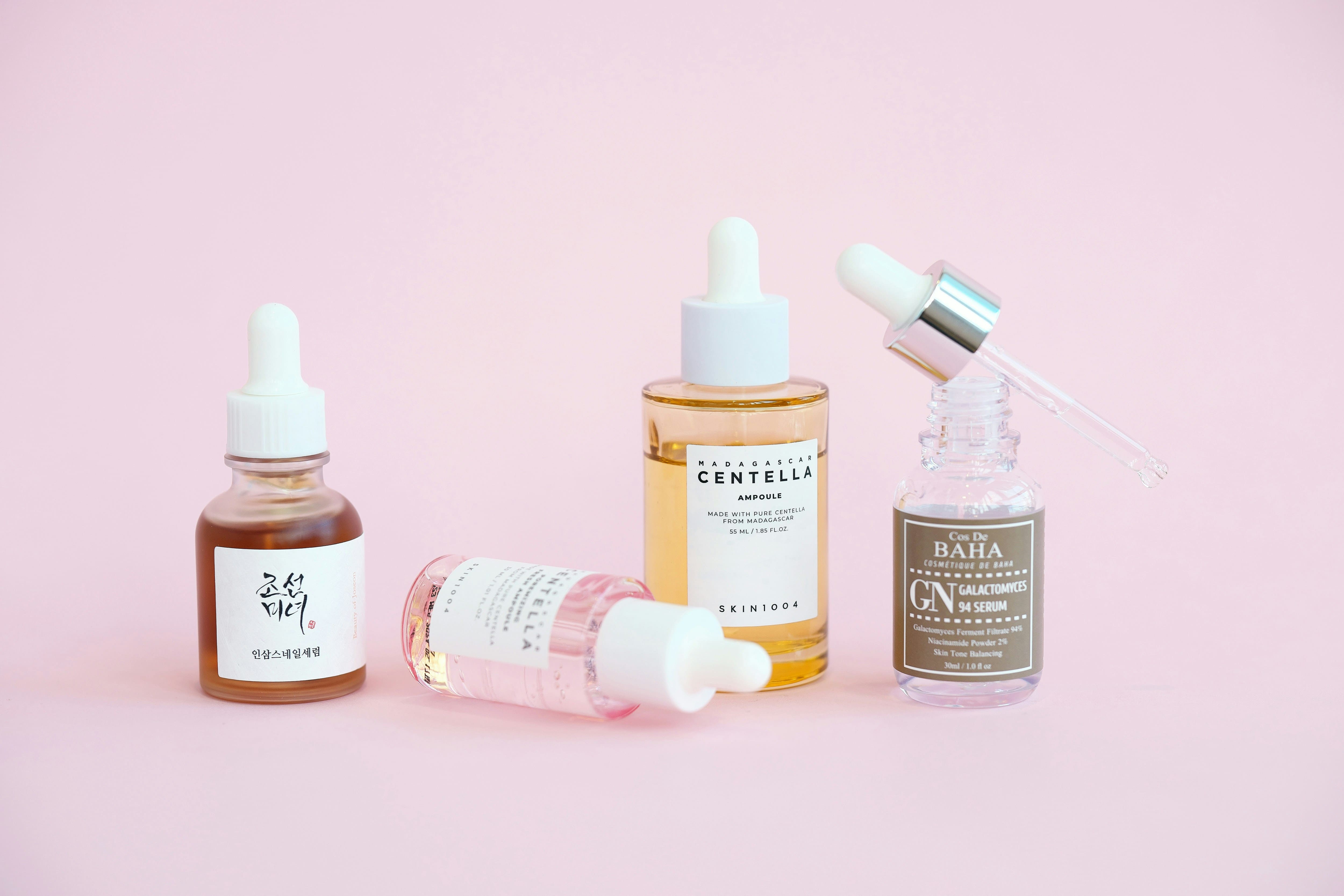
First of all, the pregnancy glow is real. You will have days where your skin looks absolutely radiant and you feel like a goddess walking around with your bump. Those days are wonderful and you should enjoy every single one of them.
And then there are the other days. The breakouts that hit like you are fourteen again. The dark patches appearing on your face that nobody mentioned. The skin that suddenly has opinions about every single product you have used for years. Pregnancy skin is unpredictable and it can feel like your face did not get the memo that you were supposed to be glowing.
Here is the part that matters most though. What you put on your skin during pregnancy actually reaches your baby. Through your bloodstream, through the placenta, right to your little one growing in there. Which means that bottle of retinol you have been loyal to for three years? It has to go. Some of your favourite products have ingredients that are simply not safe right now.
But here is the good news. There are incredible natural alternatives that work just as well, keep your skin happy, and most importantly keep your baby safe. This guide covers exactly what to ditch and exactly what to use instead, so your skincare routine stays simple, safe, and honestly quite lovely.
Your skin is doing extraordinary things right now. Let us take care of it properly.
Ingredients to avoid during pregnancy
Here is the part that requires a bit of a shelf edit. Some ingredients that are totally fine normally are not safe during pregnancy because they get absorbed through your skin and reach your baby. The list is not enormous but the ones on it are important. Go through your products and check labels.
Retinoids (Vitamin A derivatives)
Retinol and all its related forms — retinyl palmitate, tretinoin, adapalene — need to go for now. In large doses vitamin A can cause birth defects. The amounts in skincare are smaller but the advice is to avoid them entirely and there are great alternatives that do similar things without the risk. Put them in a drawer and come back to them after baby arrives.
Salicylic acid in high concentrations
High doses of salicylic acid are best avoided. A small amount in a cleanser that washes off is generally considered fine but your acne treatment with a high percentage should be swapped out. Azelaic acid does a similar job and is completely safe during pregnancy. Worth knowing.
Hydroquinone
Hydroquinone gets absorbed through the skin at a surprisingly high rate so it is best avoided. If you are dealing with the dark patches that pregnancy hormones cause on your face — melasma is incredibly common and incredibly annoying — vitamin C serums and azelaic acid both treat it safely. You do not need hydroquinone.
Chemical sunscreen filters
Chemical sunscreens get absorbed into the bloodstream and have been found in breast milk. Switch to a mineral sunscreen with zinc oxide or titanium dioxide instead. These sit on top of the skin rather than being absorbed into it. Mineral SPF has improved enormously in the last few years and there are plenty of options that do not leave you looking like a ghost.
Formaldehyde-releasing preservatives
These are preservatives that slowly release formaldehyde. Yes, that formaldehyde. They are hiding in a lot of conventional skincare products so it is worth checking labels. They will be listed under their full names so look out for DMDM hydantoin, imidazolidinyl urea, and quaternium-15.
Mineral Sunscreen SPF 50 — Zinc Oxide
A pregnancy-safe mineral sunscreen with zinc oxide that sits on top of skin rather than absorbing. Broad spectrum UVA/UVB protection without chemical UV filters. Reef-safe and suitable for sensitive skin.
View on Amazon → As an Amazon Associate we earn from qualifying purchases at no extra cost to you.Safe and effective ingredients
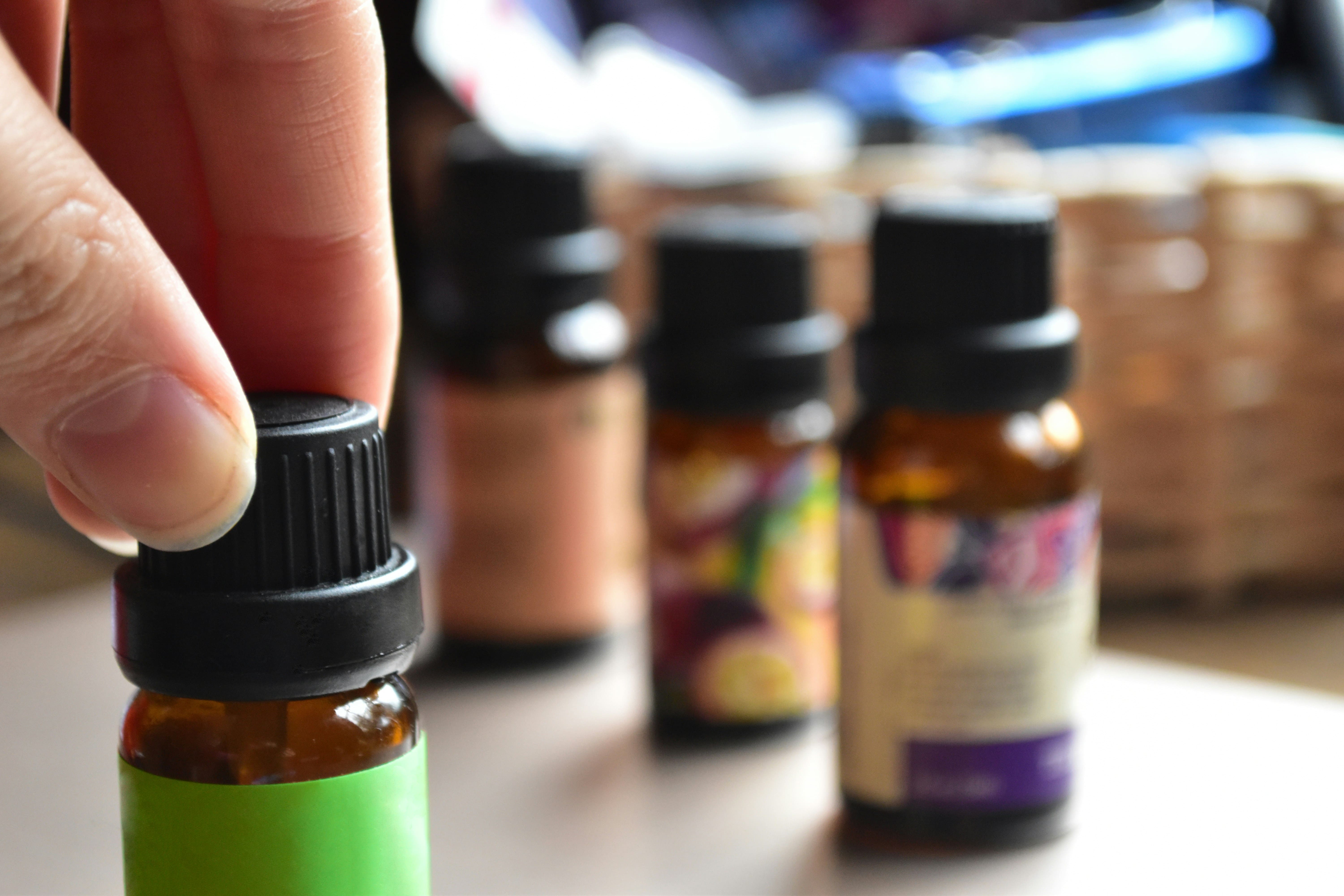
Now for the good part. There are plenty of brilliant skincare ingredients that are completely safe during pregnancy and actually work really well. You do not have to sacrifice your skincare routine — you just need to know what to reach for.
Vitamin C
Vitamin C serums are your new best friend during pregnancy. They are completely safe, they brighten your skin, help with those dark patches, and support collagen production. If you were using retinol before, a good vitamin C serum fills a lot of that gap.
Hyaluronic acid
Hyaluronic acid is safe, effective, and one of the best things you can use for hydration during pregnancy. Your body needs more water than usual right now and your skin feels it. A good hyaluronic acid serum makes a noticeable difference.
Niacinamide
Niacinamide is one of the most versatile safe ingredients for pregnancy skin. It calms inflammation, helps with breakouts, minimises pores, and improves texture. If you can only add one new serum during pregnancy, niacinamide is a strong contender.
Azelaic acid
Azelaic acid is doing a lot of heavy lifting in the pregnancy-safe skincare world and for good reason. It treats both acne and dark patches at the same time, which is exactly what pregnancy skin tends to need. Available without prescription in most countries and genuinely effective.
Stretch marks — prevention and management
Honest truth about stretch marks: whether you get them is mostly down to genetics and how quickly your skin stretches. No cream can guarantee prevention and anyone who says otherwise is selling something. What moisturising consistently does do is keep your skin supple and hydrated which may reduce how severe they are. And the ritual of oiling your bump is lovely regardless of what it does for stretch marks.
Best oils and butters for belly skin
These natural oils are safe during pregnancy and genuinely nourishing for your bump and body:
- Rosehip oil — rich in vitamin C and essential fatty acids that support collagen production. One of the most effective natural oils for skin elasticity.
- Sweet almond oil — lightweight, deeply moisturising, and rich in vitamin E. Ideal for daily belly massage.
- Shea butter — intensely moisturising and rich in fatty acids. Particularly effective for dry, itchy skin as the belly expands.
- Coconut oil — antimicrobial and moisturising, though it can be comedogenic for some skin types.
- Jojoba oil — closely resembles skin's natural sebum, making it highly compatible and non-comedogenic.
Organic Rosehip Oil — Cold Pressed
Pure, cold-pressed organic rosehip oil — one of the most effective natural oils for supporting skin elasticity during pregnancy. Rich in vitamin C and essential fatty acids. Safe for use throughout pregnancy.
View on Amazon → As an Amazon Associate we earn from qualifying purchases at no extra cost to you.Dealing with pregnancy acne
Pregnancy hormones — especially progesterone — can bring back breakouts even if your skin has been clear for years. It is one of those wonderful surprises nobody warns you about. The frustrating part is that most standard acne treatments are off limits right now.
What actually works safely: gentle cleansing twice a day, niacinamide serum for inflammation, azelaic acid for spots and the marks they leave behind, diluted tea tree oil as a spot treatment, and a clay mask once or twice a week. And please resist the urge to pick. Pregnancy skin marks more easily than usual and those post-breakout dark spots can take a long time to fade.
Natural Niacinamide Serum
A gentle niacinamide serum that reduces inflammation, minimises pores, and treats pregnancy-related breakouts safely. Free from retinoids, parabens, and fragrance. Suitable for sensitive pregnancy skin.
View on Amazon → As an Amazon Associate we earn from qualifying purchases at no extra cost to you.Building your pregnancy skincare routine
Your pregnancy skincare routine does not need to be complicated. Four steps in the morning and four in the evening covers everything your skin needs right now.
Morning: Gentle cleanser → vitamin C serum → hyaluronic acid moisturiser → mineral SPF 50
Evening: Gentle cleanser → niacinamide or azelaic acid if needed → rich moisturiser or face oil → belly oil massage
That is it. Simple, safe, and actually effective. Your skin may change as your pregnancy progresses so do not be afraid to adjust — pregnancy skin has its own agenda and you just have to work with it. 😄
Get your free personalized plan
Complete week-by-week pregnancy guide — completely free, no sign-up required.
Create my free plan →